
Colorado Ski Season 2025–26 So Far: Low Snow, Safety Concerns, And Notable Events

Snowpack And Weather Reality
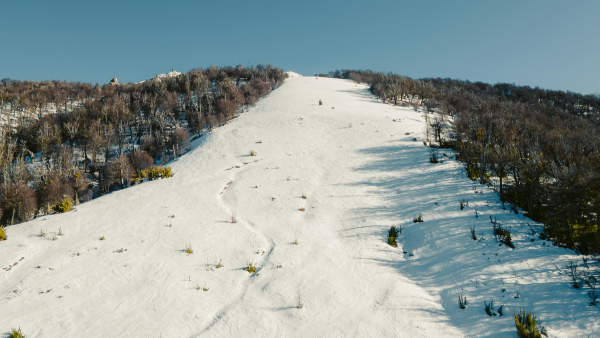
Colorado’s 2025–26 season has been marked by a slower start and persistent concern about snowpack. In late January, statewide snowpack was reported around 58% of the median in coverage that referenced the NRCS Colorado snowpack map and basin summaries, alongside National Weather Service commentary.
Seasonal outlooks have also reflected uncertainty, with the NOAA Climate Prediction Center long-range outlooks showing parts of Colorado in “equal chances” categories for temperature or precipitation, while other areas can be favored for warmer or drier conditions depending on the period.
Low snow does not always mean “no skiing,” but it does change what the season feels like. Thin cover tends to show up as narrower groomed corridors, more closed terrain, and a higher likelihood of exposed hazards after wind events, warm spells, or high-traffic days.
Operational And Community Impacts
Resort Openings, Terrain, And Snowmaking
Colorado resorts still opened, but conditions have influenced how much terrain could be offered and how quickly mountains could expand operations. Some reporting noted that early season snowfall across parts of the West was running well below typical values, which has a downstream effect on how soon expert terrain and off-piste areas become reliably skiable.
On the operations side, lower natural snowfall generally increases reliance on snowmaking. Snowmaking can help build a base on key runs and connect major pods, but it cannot replace natural coverage everywhere, especially on steep or complex terrain and in areas without snowmaking infrastructure. A helpful explanation of how snowmaking capacity varies across resorts and what that means for opening patterns is included in this CBS Colorado explainer on snowpack and resort operations.
Resorts also publish daily operating statuses that reflect these realities, including lift and trail counts, terrain expansion notes, and weather holds. When summarizing how open a mountain is, it helps to cross-check official resort reports with third-party aggregators that compile trail and lift counts, such as the Colorado snow reports on OnTheSnow.
Economic And Community Effects
Low snow can ripple beyond the slopes. Colorado’s winter economy relies on visitation, lodging, restaurants, retail, transportation, and seasonal employment. When snowfall is delayed or inconsistent, booking patterns can shift, and mountain communities can see uneven demand.
There has also been discussion tying low snowpack to broader concerns about drought and wildfire risk later in the year, since a large portion of Colorado’s water supply is stored as mountain snowpack. A season update that summarizes those concerns and outdoor-industry impacts is covered in this Colorado Politics report on low snowpack and statewide implications.
Safety Concerns And Injury Risk Factors
Hazards Of Thin Coverage And Variable Conditions
Low snow conditions can increase injury risk in a few predictable ways, even for competent skiers and riders.
First, thin cover increases the probability of contacting hard objects. Rocks, stumps, and shallowly buried features can catch edges or cause sudden stops. That risk can persist well past opening weeks if storms are spaced out, wind scours exposed faces, or warm periods consolidate the base.
Second, surface conditions can vary more abruptly. A run can shift from soft groomer to scraped hardpack in short stretches, especially during dry spells or after heavy traffic. That variability can contribute to falls and collisions, particularly when people ski faster than conditions allow.
Third, limited open terrain can create congestion. When only a subset of runs are open, skier density increases on those corridors, and the mix of ability levels becomes more concentrated. That elevates the likelihood of close calls and collisions.
If you want a broader overview of how ski and snowboard crashes happen, what factors often matter most, and what steps people commonly take after an incident, start here: ski accident information.
Lift Line Congestion And Lift-Related Risk
When terrain is limited, it is common to see longer lift lines and more frequent choke points at loading areas, merge zones, and narrow cat tracks. While most lift rides are uneventful, busy days can increase the chance of misloads, falls at the unload ramp, and collisions in high-traffic zones near the terminals.
For an overview of lift incident types and what to do if something goes wrong, see: lift accident guidance.
Avalanche Conditions And Backcountry Context
It is important to separate resort skiing from backcountry travel. In-bounds terrain is managed by professional ski patrol teams with mitigation work, closures, and controlled access. Backcountry travel is different, and risk depends on current conditions, terrain selection, and decision-making.
Early season and low snowpack patterns can produce complex avalanche problems. A thin base can create persistent weak layers, and new snow on top of old hard surfaces can bond poorly, especially with wind loading. A clear example of early season avalanche concern was discussed in a Denver7 report referencing CAIC on the first skier-triggered avalanche of the season, highlighting how early setups can still produce human-triggered slides.
For daily danger ratings, advisories, incident reports, and education resources in Colorado, use the CAIC forecast and reports.
Notable Events So Far
December: Lift-Related News And Evacuation Procedures
Lift incidents draw attention because they are highly visible and disruptive, even when they do not result in injuries. During the season, there has been local reporting on lift malfunctions that required evacuation procedures at Colorado resorts. One example reported in late December 2025 involved guests being evacuated after a malfunction, reinforcing the importance of following patrol and operations staff directions in real time, as described in this KKCO report on a lift malfunction and evacuation.
January: Low Snowpack Persistence And Late-Month Shifts
By late January, multiple Colorado outlets were describing persistent low snowpack and its visible effects on terrain, crowding, and surface conditions. The Colorado Politics season update referenced statewide snowpack levels and summarized how conditions were influencing both skier experience and broader water concerns.
Late-month storms can help, but they can also increase avalanche danger quickly if wind loading and rapid accumulation occur on top of weaker layers. During these periods, it is normal for backcountry messaging to shift rapidly as new snow arrives and conditions change. Checking the CAIC forecast before backcountry travel remains one of the simplest and most effective safety steps.
What This Means For You
- Expect Thin Cover In More Places Than Usual
Even when groomers look solid, off-trail areas and margins can hold rocks and shallow hazards. Ski within visibility and slow down in unfamiliar zones. - Adjust Speed For Surface Variability
Hardpack and scraped areas can appear suddenly, especially later in the day. Keep turns controlled and give others space. - Treat Crowding Like A Safety Issue
When terrain is limited, collision risk rises. Choose lower-traffic runs when possible and be extra cautious near merge zones and lift terminals. - Backcountry Requires Current Avalanche Decision-Making
If you leave the resort boundary, check the current CAIC avalanche forecast, carry appropriate rescue gear, and travel with partners who know how to use it. - Know When Resort Conditions Cross The Line
If you are injured and it appears another skier acted recklessly, or a hazard was not reasonably marked or managed, it can help to understand how responsibility and safety expectations are evaluated. A starting point for that topic is ski resort negligence.
Final Thoughts
If you or a family member was hurt skiing or snowboarding in Colorado this season, the most important first step is getting safe and documenting what happened. When you are ready, you can learn more about common accident scenarios and next steps on our ski accidents page, review lift-related incidents on lift accidents, and explore how resort conditions can factor into an injury on ski resort negligence.