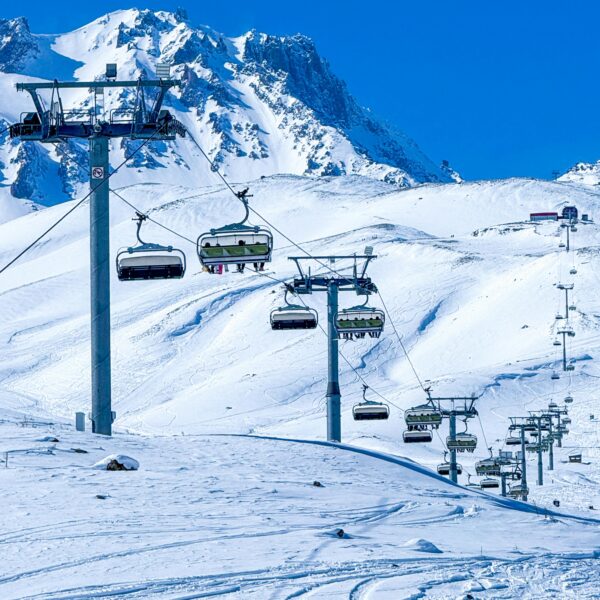
Cases against ski area operators generally either involve ski lifts, or unmarked manmade obstacles.
Most ski lift cases involve accidents when loading or unloading chairlifts, or caused by mechanical failures. In loading/unloading cases, the argument centers on whether the lift attendant failed to either stop or slow the chairlift for the safety of passengers. Mechanical failure cases often bring in more complex questions of product defect law. In both cases, the ski area operator must comply with extensive state regulations governing ski lifts.
Other claims against ski areas often come from collisions with unmarked manmade obstacles. Structures on slopes and trails must be readily visible to skiers under conditions of ordinary visibility from a distance of at least one hundred feet. These structures include snowmaking equipment, signs, posts, and phone stations. They must be adequately covered with a shock-absorbent material that will lessen injuries.
Every skier signs a waiver when buying a lift ticket. We can often carefully craft claims against ski area operators in terms of a violation of the law or regulations governing ski areas and lifts to defeat the waiver.
Founding partner, Jim Chalat, is a leading academic on issues of ski area liability, and provides a deep-dive on the issues in his recent article, here.
Cases against ski resorts may involve complicated questions of law, regulations, operations and maintenance. It is important to consult with a lawyer who has experience with these types of cases because they are so unique. Please contact us to discuss your case.